The term fascial unwinding originated in osteopathy and was originally used to describe the spontaneous, involuntary movements that people experience, during the process of bodywork sessions.
To understand fascial unwinding, it helps to first understand fascia.
What is Fascia?
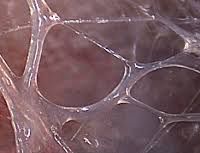
Fascia is the connective tissue network that surrounds, supports and interpenetrates every part of the body, creating continuity and connection throughout the whole body.
Once thought to be little more than packing material, fascia is now recognised as a highly responsive tissue that plays an important role in movement, posture and our ability to adapt to stress.
Fascia responds to everything, including our thoughts feelings and experiences in life. Over time, the stresses and strains of life can affect its flexibility and glide. As fascia becomes less supple, people may experience stiffness, discomfort and restriction. Healthy fascia, on the other hand, is associated with greater ease, flexibility and freedom of movement.
What is Fascial Unwinding?
Through gentle touch, practitioners tune into the fascial system and the patterns of tension held within it. These tensions may develop through injury, emotional stress, repetitive strain or long-standing postural habits.
By offering gentle support and creating a sense of safety, the practitioner helps the body feel less burdened by its habitual patterns of holding. As the body begins to let go, natural movements, shifts and releases begin emerging from within.
What Does Fascial Unwinding Do?
The more stress and strain we experience, the more wound up our body can become.
Fascial unwinding supports the body’s natural ability to release accumulated tension and restore a greater sense of ease. Following a session, people often report feeling lighter, freer in their movement, more relaxed and more comfortable within their body.
For more information on fascial unwinding click on the article below.
